
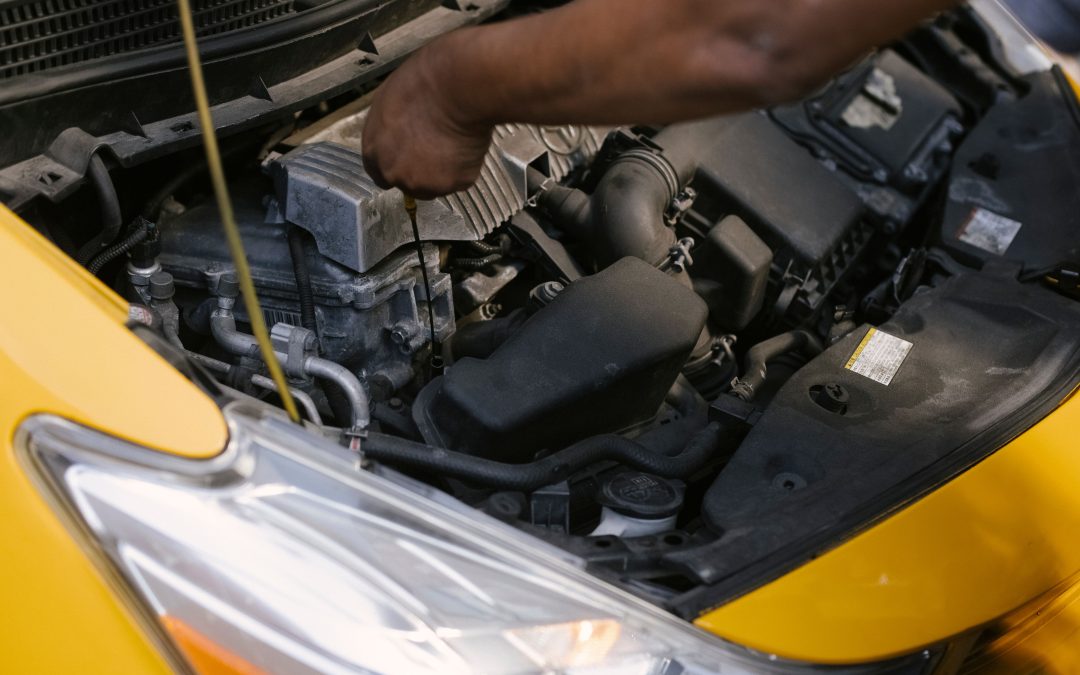
Most drivers have experienced it at some point. You’re driving as usual when you hear a strange noise, notice a warning light, or feel something unusual happening with your vehicle. It can be tempting to ignore the issue and hope it goes away, especially if the car still seems to run fine. Unfortunately, many serious vehicle problems start with small warning signs.
Knowing the signs your car needs immediate repair can help you avoid costly breakdowns, expensive repairs, and even dangerous driving situations. While regular maintenance is essential, recognizing urgent warning signals is equally important.
According to the National Highway Traffic Safety Administration (NHTSA), vehicle-related mechanical failures contribute to thousands of roadway incidents each year. Addressing problems early can improve safety and reduce the likelihood of major repairs later.
Let’s look at the most common warning signs that indicate your car needs professional attention right away.
Dashboard Warning Lights Stay On
Modern vehicles are designed to alert drivers when something is wrong.
While some warning lights indicate minor issues, others require immediate attention.
Warning lights you should never ignore include:
- Check engine light
- Oil pressure warning light
- Brake system warning light
- Battery warning light
- Engine temperature warning light
If a warning light appears and remains illuminated, consult your owner’s manual and schedule an inspection as soon as possible.
A flashing check engine light is particularly serious because it may indicate an engine misfire that could cause significant damage if ignored.
Unusual Noises While Driving
Cars naturally make some sounds, but new or unusual noises often signal trouble.
Listen for sounds such as:
- Grinding
- Squealing
- Knocking
- Clicking
- Hissing
For example, grinding brakes may indicate worn brake pads, while knocking sounds from the engine could point to internal mechanical issues.
When evaluating signs your car needs immediate repair, unusual noises should always be taken seriously.
Smoke Coming from the Vehicle
Smoke is one of the clearest indications that something is wrong.
Different colors of smoke can suggest different problems:
White Smoke
May indicate coolant entering the engine.
Blue Smoke
Often suggests the engine is burning oil.
Black Smoke
Can signal excessive fuel consumption or fuel system issues.
Smoke coming from under the hood may indicate overheating, leaking fluids, or electrical problems.
If you see smoke while driving, pull over safely and turn off the vehicle if necessary.
Your Car Is Overheating
An overheating engine can quickly become a major repair if ignored.
Common signs include:
- Rising temperature gauge
- Steam from under the hood
- Warning lights
- Burning smells
Engines rely on proper cooling system function to operate safely. Continuing to drive an overheating vehicle can lead to severe engine damage.
If the temperature gauge climbs into the danger zone, stop driving and allow the vehicle to cool before seeking assistance.
Brake Problems Require Immediate Attention
Your braking system is one of the most important safety components in your vehicle.
Warning signs include:
- Squealing brakes
- Grinding sounds
- Soft brake pedal
- Vehicle pulling while braking
- Increased stopping distance
Any change in braking performance should be inspected immediately.
Even a seemingly minor brake issue can quickly become a serious safety concern.
Fluid Leaks Under the Vehicle
A small puddle beneath your car might not seem urgent, but fluid leaks often indicate developing mechanical problems.
Common vehicle fluids include:
- Engine oil
- Coolant
- Transmission fluid
- Brake fluid
- Power steering fluid
Each fluid plays an important role in vehicle operation.
If you notice fresh leaks regularly appearing under your vehicle, schedule an inspection promptly.
Strong or Unusual Smells
Your sense of smell can often alert you to vehicle problems before visible symptoms appear.
Pay attention to odors such as:
- Burning rubber
- Burning oil
- Sweet syrup-like smells
- Gasoline odors
A sweet smell may indicate a coolant leak, while gasoline odors could point to a fuel system problem.
Among the signs your car needs immediate repair, unusual smells are often overlooked but can provide valuable clues.
Excessive Vibrations While Driving
A smooth ride is generally a sign that your vehicle is operating properly.
If you suddenly notice excessive vibration, it could indicate issues involving:
- Tires
- Wheels
- Suspension components
- Steering systems
- Brake rotors
Vibrations that worsen with speed or braking should be inspected as soon as possible.
Ignoring the issue may lead to additional wear and more expensive repairs.
Difficulty Starting the Engine
A vehicle that struggles to start often signals an underlying problem.
Possible causes include:
- Weak battery
- Faulty starter
- Fuel delivery issues
- Ignition system problems
While occasional starting difficulties may seem minor, they can leave you stranded unexpectedly if not addressed.
Consistent starting issues should never be ignored.
Transmission Problems
Transmission repairs can be among the most expensive automotive repairs, which makes early detection especially important.
Watch for symptoms such as:
- Delayed shifting
- Rough gear changes
- Slipping gears
- Transmission warning lights
- Unusual noises during shifting
Prompt attention may help prevent more extensive damage.
Steering Feels Unresponsive
Your vehicle should respond smoothly when you turn the steering wheel.
Potential warning signs include:
- Difficulty steering
- Excessive looseness
- Pulling to one side
- Unusual steering noises
These symptoms could indicate problems with the power steering system, suspension, alignment, or steering components.
Safe vehicle control depends on proper steering performance.
Reduced Fuel Efficiency
While fuel economy naturally changes over time, a sudden drop in efficiency often points to an underlying issue.
Possible causes include:
- Engine problems
- Tire issues
- Fuel system malfunctions
- Sensor failures
Monitoring fuel consumption can help identify developing mechanical problems before they become severe.
The Vehicle Pulls to One Side
If your car drifts or pulls while driving on a straight road, something may be wrong.
Possible causes include:
- Alignment issues
- Uneven tire wear
- Brake problems
- Suspension damage
Beyond causing uneven tire wear, pulling can affect vehicle handling and safety.
A professional inspection can determine the exact cause.
Why Prompt Repairs Save Money
Many drivers postpone repairs because they hope the issue is minor.
However, delaying repairs often allows problems to worsen.
For example:
- Worn brake pads can damage rotors.
- Small coolant leaks can lead to overheating.
- Minor engine issues can become major repairs.
Addressing problems early is usually less expensive than waiting until a breakdown occurs.
How to Respond When Warning Signs Appear
If you notice any of these symptoms:
- Do not ignore warning lights.
- Pay attention to changes in performance.
- Document unusual sounds or smells.
- Schedule an inspection promptly.
- Stop driving if safety is compromised.
Taking quick action can prevent further damage and improve vehicle safety.
Conclusion
Understanding the signs your car needs immediate repair can help you protect both your vehicle and your safety. Warning lights, unusual noises, fluid leaks, overheating, brake problems, and steering issues should never be ignored.
Cars often provide clear signals when something is wrong. The key is recognizing those signals and acting before a minor concern turns into a major repair. By staying alert and addressing issues promptly, you can reduce repair costs, avoid unexpected breakdowns, and keep your vehicle running reliably for years to come.