
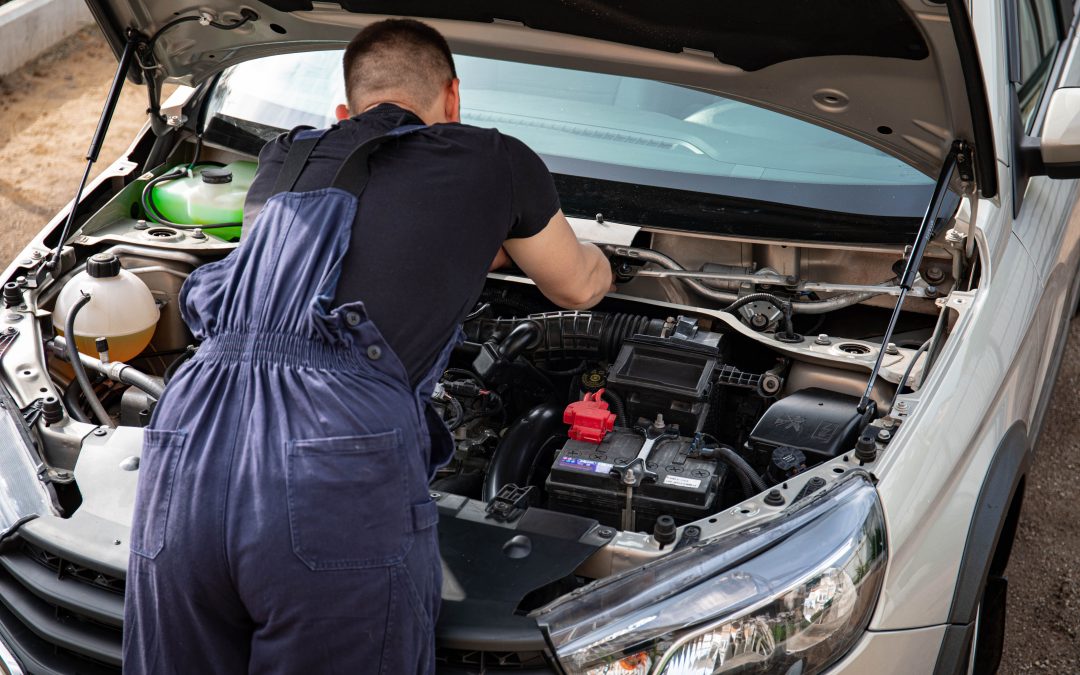
Your car works hard every day. Whether you’re commuting to work, running errands, or heading out on a road trip, your vehicle depends on dozens of components working together smoothly. Yet many drivers wait until something goes wrong before scheduling maintenance.
The problem is that minor issues can quickly turn into expensive repairs when ignored. Knowing when to get your car serviced can help you avoid breakdowns, improve safety, and extend the life of your vehicle.
If you’ve ever wondered whether your car is due for maintenance, this guide will explain the key signs, recommended service intervals, and practical tips every driver should know.
Why Regular Car Servicing Matters
Routine maintenance is one of the easiest ways to keep your vehicle running efficiently.
Regular servicing helps:
- Improve fuel efficiency
- Reduce unexpected breakdowns
- Increase vehicle lifespan
- Maintain safety systems
- Protect resale value
According to the U.S. Department of Energy, properly maintained vehicles can achieve better fuel economy compared to poorly maintained ones. Something as simple as maintaining correct tire pressure can improve efficiency and reduce unnecessary wear.
In short, preventive maintenance often costs far less than major repairs.
Follow Your Manufacturer’s Service Schedule
The best place to start when determining when to get your car serviced is your owner’s manual.
Vehicle manufacturers provide maintenance schedules based on:
- Mileage
- Time intervals
- Driving conditions
- Vehicle type
Many modern vehicles now use onboard monitoring systems that alert drivers when maintenance is due.
Common service intervals include:
- Every 5,000 to 10,000 kilometers for oil changes
- Tire rotations every 8,000 to 12,000 kilometers
- Brake inspections during routine maintenance visits
- Major service checks at higher mileage milestones
Always follow the recommendations specific to your vehicle.
Pay Attention to Warning Lights
Dashboard warning lights are designed to alert you when something needs attention.
Common warning lights include:
- Check engine light
- Oil pressure warning
- Battery warning
- Brake system warning
- Tire pressure monitoring light
While some warnings indicate minor issues, others may signal serious mechanical problems.
Ignoring warning lights can lead to more extensive damage over time.
If a warning light remains illuminated, scheduling a service appointment as soon as possible is usually the safest choice.
Listen for Unusual Noises
Cars often provide clues when something isn’t functioning properly.
Pay attention to sounds such as:
- Squealing brakes
- Grinding noises
- Knocking sounds from the engine
- Clicking during turns
- Unusual rattles
These sounds can indicate worn parts or developing mechanical issues.
Addressing problems early often prevents more costly repairs later.
Watch for Changes in Vehicle Performance
Your vehicle’s performance can reveal when maintenance is needed.
Common signs include:
- Reduced fuel efficiency
- Difficulty starting
- Rough idling
- Sluggish acceleration
- Increased vibrations
If your car no longer feels as smooth or responsive as usual, it may be time for a professional inspection.
Understanding when to get your car serviced often involves noticing subtle changes before they become major concerns.
Don’t Ignore Oil Change Intervals
Engine oil plays a critical role in protecting your vehicle.
Oil helps:
- Lubricate moving parts
- Reduce friction
- Dissipate heat
- Remove contaminants
Over time, oil breaks down and becomes less effective.
While older recommendations often suggested oil changes every 5,000 kilometers, many modern vehicles can safely go longer depending on oil type and manufacturer guidelines.
Check your owner’s manual for the correct interval.
Skipping oil changes can significantly shorten engine life.
Service Your Car Before Long Trips
Planning a road trip?
A pre-trip inspection can help reduce the risk of breakdowns.
Before traveling long distances, consider checking:
- Oil levels
- Tire condition
- Tire pressure
- Brake performance
- Coolant levels
- Battery health
Many repair shops offer basic inspections designed specifically for road-trip preparation.
A little preparation can provide peace of mind during your journey.
Seasonal Maintenance Is Important
Weather conditions can affect vehicle performance.
Seasonal servicing may include:
Summer Maintenance
- Cooling system inspections
- Air conditioning checks
- Tire pressure adjustments
- Fluid level checks
Winter Maintenance
- Battery testing
- Antifreeze inspection
- Tire tread evaluation
- Windshield wiper replacement
Extreme temperatures place additional stress on vehicle systems, making seasonal maintenance especially valuable.
Check Tire Condition Regularly
Tires play a major role in safety and efficiency.
The National Highway Traffic Safety Administration emphasizes that proper tire maintenance helps improve handling, braking, and fuel economy.
Inspect tires for:
- Uneven wear
- Cracks
- Low tread depth
- Improper inflation
Many service appointments include tire inspections and rotations, helping maximize tire lifespan.
If you are unsure when to get your car serviced, checking your tires can provide useful clues about overall vehicle maintenance needs.
Brake Inspections Should Never Be Delayed
Brakes are one of the most important safety systems in any vehicle.
Warning signs that may indicate brake service is needed include:
- Squealing sounds
- Grinding noises
- Soft brake pedal feel
- Increased stopping distance
- Vibrations when braking
Brake issues rarely improve on their own.
Prompt inspection can help maintain safety and prevent more extensive damage to brake components.
Modern Cars Still Need Maintenance
Many drivers assume newer vehicles require little attention.
While modern cars are more reliable than ever, they still need routine maintenance.
Even advanced vehicles require:
- Fluid changes
- Tire maintenance
- Filter replacements
- Brake inspections
- Battery checks
Technology can help monitor vehicle health, but it does not eliminate the need for regular service.
Preventive maintenance remains essential regardless of vehicle age.
Keep Maintenance Records
Maintaining service records offers several benefits.
You can:
- Track completed maintenance
- Follow manufacturer recommendations
- Identify recurring issues
- Improve resale value
A well-documented maintenance history demonstrates responsible ownership and can be attractive to future buyers.
Many vehicle owners now use smartphone apps or digital service logs to stay organized.
Common Maintenance Items to Expect
During routine service visits, technicians may inspect or replace:
- Engine oil and filter
- Air filters
- Cabin air filters
- Brake components
- Tire pressure and tread
- Battery condition
- Belts and hoses
- Fluid levels
Not every service visit requires all of these tasks, but regular inspections help identify potential issues early.
Conclusion
Knowing when to get your car serviced is one of the most important aspects of responsible vehicle ownership. Following your manufacturer’s maintenance schedule, paying attention to warning signs, and addressing small issues early can help prevent costly repairs and improve overall reliability.
Regular servicing keeps your vehicle safer, more efficient, and better prepared for daily driving. Rather than waiting for problems to appear, a proactive maintenance approach helps ensure your car remains dependable for years to come.
Your vehicle takes care of you every day. Regular servicing is one of the best ways to return the favor.
Focus Keyword: when to get your car serviced
SEO Title: When to Get Your Car Serviced: Essential Signs and Maintenance Tips
Slug: when-to-get-your-car-serviced
Meta Description (120 characters): Learn when to get your car serviced with key signs, schedules, and maintenance tips for reliability.