
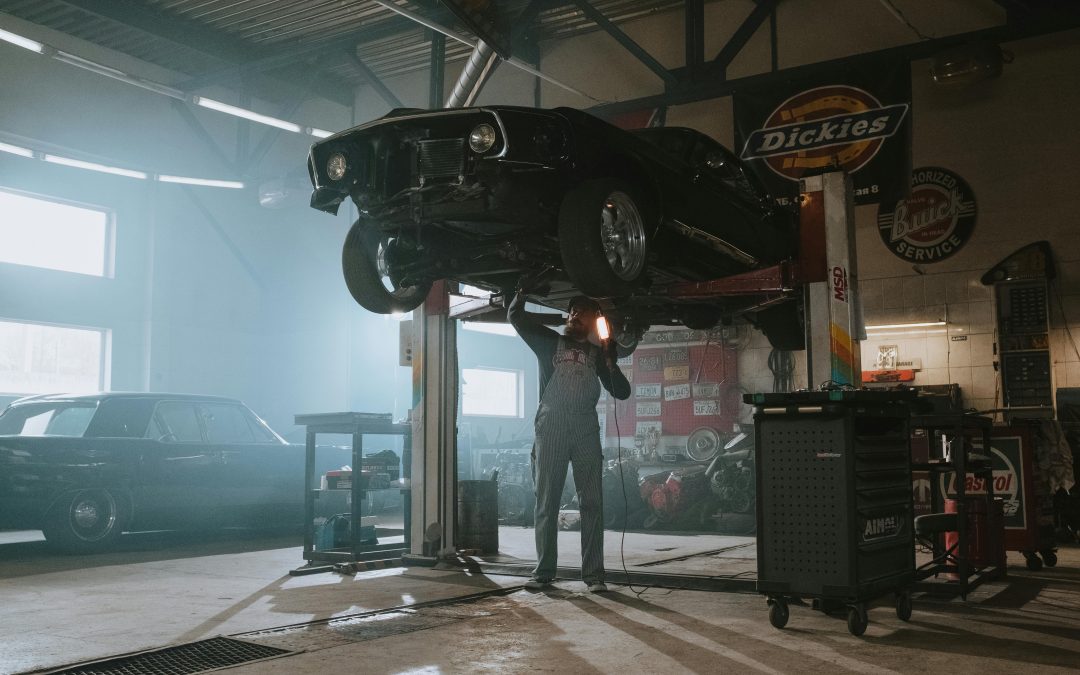
You are driving along like any normal day, and suddenly your car makes a noise you have never heard before. Maybe it is a squeak, a knock, or a grinding sound that makes you instantly uneasy. It is easy to ignore it and hope it goes away, but that rarely ends well.
The truth is your car is always communicating with you. Learning a bit about diagnosing strange car noises quickly can help you catch small problems before they turn into expensive repairs. Let’s break it down in a simple and practical way so you can feel more confident the next time something sounds off.
Why You Should Never Ignore Unusual Sounds
Strange noises are often early warning signs. According to the Car Care Council, regular maintenance and early detection can reduce the risk of major vehicle breakdowns by up to 50 percent. That is a big deal when you think about how costly repairs can get.
When you focus on diagnosing strange car noises quickly, you are not just protecting your car. You are also improving your safety on the road.
Even a small noise can point to something important, so it is always worth paying attention.
Common Types of Car Noises and What They Mean
Not all car noises are the same. The type of sound often gives clues about the problem.
Here are some of the most common ones:
- Squealing or screeching
Often related to worn brake pads or a loose belt - Grinding noise
Could indicate serious brake issues or metal parts rubbing together - Knocking or tapping
May be linked to engine problems or low oil levels - Hissing sound
Usually points to a leak, possibly in the cooling system or vacuum lines - Rattling noise
Could be something loose like a heat shield or internal engine components
Understanding these basics makes diagnosing strange car noises quickly much easier.
Pay Attention to When the Noise Happens
Timing matters. The same sound can mean different things depending on when it occurs.
Ask yourself:
- Does it happen when you start the car
- Is it louder when you accelerate
- Do you hear it while braking
- Does it only occur on rough roads
For example, a squeal when braking often points to brake wear, while a knocking sound during acceleration might indicate engine trouble.
These details help narrow down the issue and give mechanics useful information if you need professional help.
Simple Checks You Can Do Yourself
You do not always need to be a mechanic to spot the basics. A quick inspection can sometimes reveal the problem.
Try these steps:
- Check fluid levels
Low oil or coolant can cause unusual sounds - Look under the car
See if anything is hanging loose or leaking - Inspect the tires
Uneven wear or debris can create strange noises - Open the hood
Listen closely to identify where the sound is coming from
These quick checks support diagnosing strange car noises quickly and may even save you a trip to the repair shop.
When to See a Mechanic
While some noises are minor, others need immediate attention. It is important to know when to seek help.
You should visit a mechanic if:
- The noise is loud or getting worse
- You notice a burning smell or smoke
- The car feels different while driving
- Warning lights appear on your dashboard
Professional mechanics have tools and experience that make it easier to pinpoint the exact issue.
Waiting too long can turn a simple fix into a costly repair, so it is better to act early.
How Technology Helps Identify Car Problems
Modern cars are smarter than ever. Many vehicles now come with onboard diagnostic systems that detect issues and alert you through dashboard warnings.
You can also use diagnostic tools that plug into your car and connect to your phone. These tools provide error codes and basic insights into what might be wrong.
Technology has made diagnosing strange car noises quickly more accessible, even for everyday drivers.
Preventing Strange Noises Before They Start
Prevention is always better than repair. Regular maintenance plays a big role in keeping your car quiet and running smoothly.
Here are some simple habits to follow:
- Stick to a maintenance schedule
Regular oil changes and inspections make a big difference - Replace worn parts on time
Do not wait until something breaks completely - Drive carefully
Avoid rough roads and sudden braking when possible - Listen to your car regularly
Familiar sounds make it easier to notice changes
These habits reduce the chances of unexpected issues and make diagnosing strange car noises quickly less stressful.
Common Mistakes Drivers Make
It is easy to make small mistakes that lead to bigger problems.
Some common ones include:
- Ignoring noises and hoping they go away
- Turning up the music to cover the sound
- Delaying basic maintenance
- Assuming all noises are minor
Being proactive instead of reactive can save you time, money, and frustration.
Turning Awareness into Confidence
At first, strange car noises can feel intimidating. But once you start paying attention and learning what different sounds mean, it becomes much easier to handle.
You do not need to know everything. Just understanding the basics puts you in a much stronger position.
Diagnosing strange car noises quickly is really about awareness. The more you listen and observe, the more confident you will become.
Final Thoughts
Your car is always giving you signals. The key is learning how to interpret them before small issues grow into major problems.
By focusing on diagnosing strange car noises quickly, you can take control of your vehicle’s health and avoid unnecessary stress. Pay attention to sounds, act early, and do not hesitate to seek help when needed.
A little awareness goes a long way in keeping your car safe, reliable, and running smoothly.