
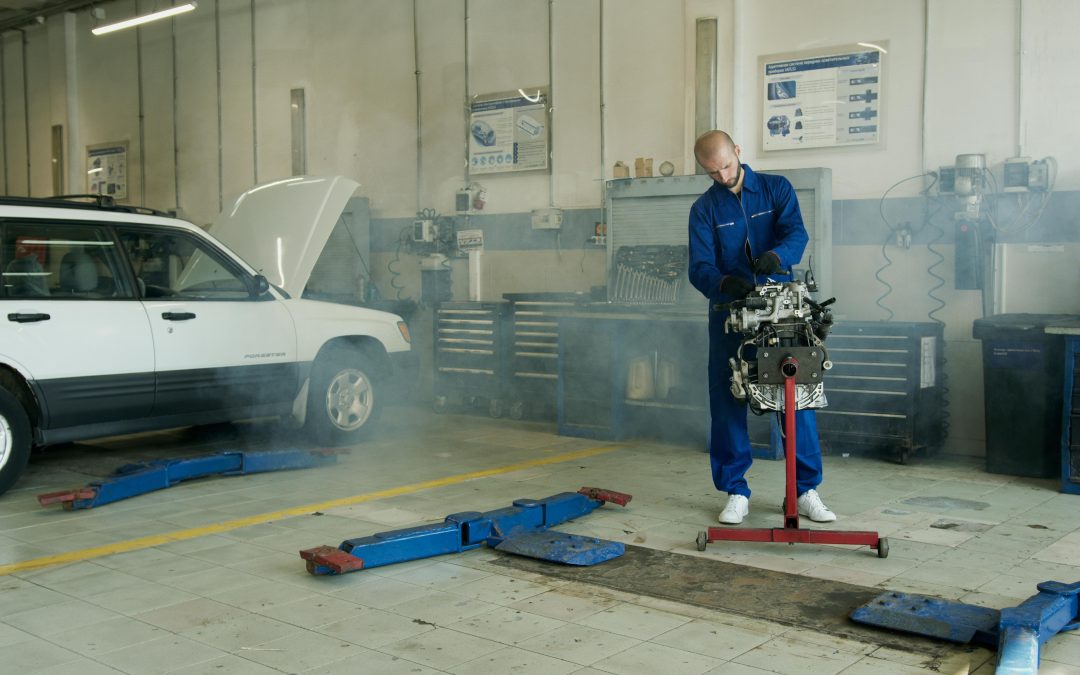
Most drivers have felt that moment of uncertainty. A warning light turns on, the engine sounds a little off, or the car just does not drive the way it used to. Modern vehicles are smarter and more complex than ever, which is exactly why engine diagnostics and repair have become such an important part of car ownership.
Instead of guessing what is wrong or waiting until a small issue becomes a major breakdown, diagnostics help uncover problems early. Let’s walk through how this process works, why it saves money, and what every driver should know before heading to a repair shop.
What Engine Diagnostics and Repair Actually Involve
Engine diagnostics is the process of using specialized tools and expertise to identify issues within a vehicle’s engine and related systems. Modern cars rely on onboard computers that constantly monitor performance. When something is off, the system records a fault code.
During engine diagnostics and repair, a technician typically:
- Connects a diagnostic scanner to the vehicle
- Reads error codes from the onboard computer
- Tests components like sensors, ignition systems, and fuel delivery
- Confirms the root cause before making repairs
This approach is far more accurate than relying on symptoms alone. It allows mechanics to fix the real problem rather than replacing parts unnecessarily.
Why the Check Engine Light Should Never Be Ignored
The check engine light is one of the most misunderstood dashboard warnings. Some drivers ignore it for weeks or even months, hoping the issue will resolve itself. Unfortunately, that rarely happens.
According to the Car Care Council, ignoring a check engine light can reduce fuel efficiency by up to 40 percent in some cases. Something as simple as a loose gas cap can trigger the light, but so can more serious issues like misfires or failing oxygen sensors.
Prompt diagnostics help determine whether the issue is minor or needs immediate attention. Either way, knowing sooner is always better.
How Early Diagnostics Save Money
One of the biggest advantages of engine diagnostics and repair is cost control. Small problems tend to grow when left unchecked. A faulty sensor today can lead to engine damage tomorrow.
Early diagnostics help prevent:
- Excessive fuel consumption
- Damage to the catalytic converter
- Increased wear on engine components
The U.S. Department of Energy has reported that fixing issues that affect fuel economy can improve gas mileage by an average of 4 percent. Over time, that adds up to real savings, especially for drivers with long commutes.
Modern Engines Are More Complex Than Ever
Today’s engines are designed for efficiency and lower emissions, but that also means more electronics and interconnected systems. Sensors monitor everything from airflow to exhaust gases, all working together to keep the engine running smoothly.
Because of this complexity, engine diagnostics and repair require updated tools and ongoing training. Experienced technicians rely on both digital data and hands on inspection to make accurate decisions.
This is why quick fixes or guesswork often fall short with modern vehicles.
Common Issues Found During Diagnostics
While every vehicle is different, certain problems appear more frequently during diagnostic checks. Identifying these early can prevent larger repairs down the road.
Common findings include:
- Faulty oxygen or mass airflow sensors
- Worn spark plugs or ignition coils
- Vacuum leaks affecting engine performance
- Fuel system irregularities
Many of these issues do not cause immediate breakdowns, which is why diagnostics are so valuable. They catch problems before they strand you on the side of the road.
The Role of Preventive Maintenance
Diagnostics are not just for when something goes wrong. Preventive engine checks are becoming more common, especially for vehicles with higher mileage.
Routine diagnostics help:
- Monitor engine health over time
- Identify trends or recurring issues
- Plan repairs before failures occur
The National Institute for Automotive Service Excellence often emphasizes that preventive maintenance extends vehicle lifespan and improves reliability. Diagnostics play a key role in that strategy.
Choosing the Right Shop for Engine Diagnostics and Repair
Not all repair shops approach diagnostics the same way. Some focus on speed, while others prioritize accuracy and explanation. As a vehicle owner, understanding what to look for can make a big difference.
A reliable shop will usually offer:
- Clear explanations of diagnostic results
- Written estimates before repairs begin
- Technicians trained on modern systems
Do not hesitate to ask questions. A good mechanic will be happy to explain what the diagnostic codes mean and why specific repairs are recommended.
Technology Is Improving Diagnostics Accuracy
Advances in automotive technology continue to improve how diagnostics are performed. Newer scanners provide more detailed data, and manufacturers release software updates that help technicians pinpoint issues faster.
Some systems now allow:
- Real time performance monitoring
- Predictive alerts before components fail
- Remote diagnostics in certain vehicle models
These improvements make engine diagnostics and repair more precise and less invasive, which benefits both drivers and technicians.
A Clear Takeaway for Vehicle Owners
Engine problems rarely fix themselves. The good news is that modern diagnostics make it easier than ever to understand what your vehicle needs. Engine diagnostics and repair are not about overcomplicating car care. They are about clarity, prevention, and smarter decisions.
The key takeaway is simple. When your vehicle gives you a warning, listen to it. Early diagnostics protect your engine, your budget, and your peace of mind. Staying informed and proactive is one of the best ways to keep your car running smoothly for years to come.