
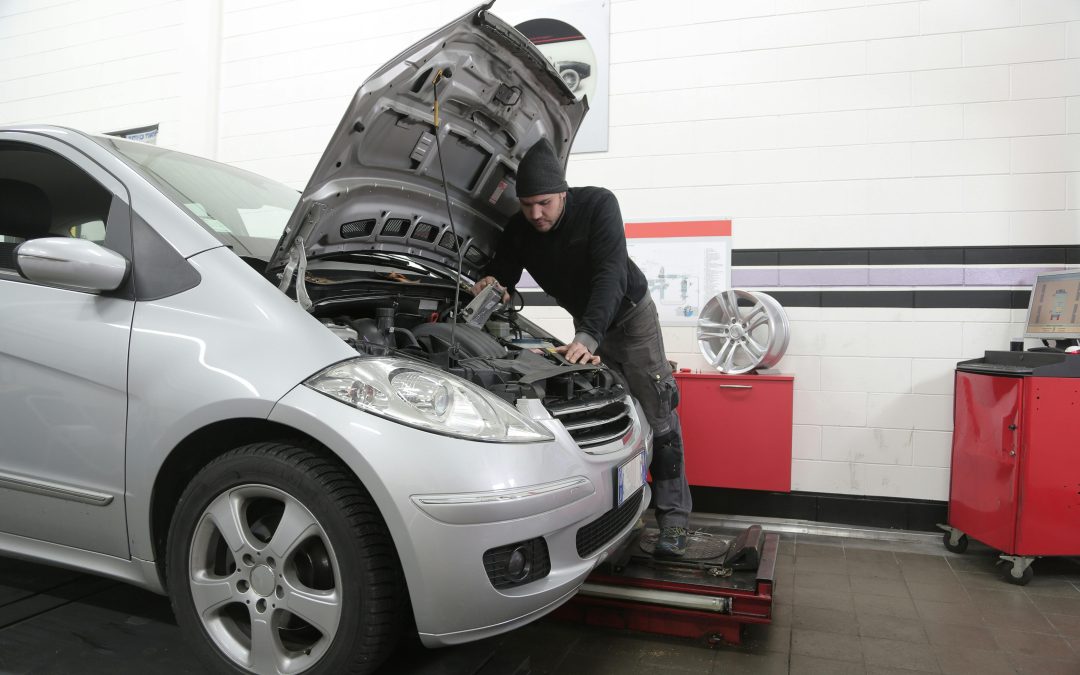
We have all been there. A strange noise starts coming from the engine. A warning light flashes on the dashboard. Or maybe your car just does not feel right when you drive. You pull into a repair shop, hand over your keys, and hope for the best.
If you have ever wondered what actually happens next, you are not alone. Understanding how auto repair services work can make the whole experience less stressful and a lot more transparent.
Let us walk through the process step by step so you know exactly what goes on behind those garage doors.
Why Auto Repair Services Matter More Than Ever
Cars today are more advanced than ever before. Modern vehicles rely on complex computer systems, sensors, and electronic controls.
According to data from the U.S. Bureau of Transportation Statistics, Americans drive over 3 trillion miles each year. That kind of usage means wear and tear is inevitable. Regular maintenance and timely repairs are essential for safety and reliability.
The average age of vehicles on the road in the United States is now over 12 years, according to S and P Global Mobility. Older vehicles require more maintenance, which makes professional repair services even more important.
Understanding how auto repair services work helps you protect your investment and avoid unnecessary costs.
Step One: Scheduling and Initial Check In
The process usually begins with scheduling an appointment. Some shops accept walk ins, but many recommend booking in advance.
When you arrive, a service advisor will:
- Ask about the problem
- Record your vehicle information
- Note any warning lights or unusual symptoms
- Provide an estimated timeline
Clear communication at this stage is important. The more detail you can provide about sounds, smells, or performance issues, the easier it is for technicians to diagnose the problem.
This first interaction sets the tone for how auto repair services work in a professional setting.
Step Two: Diagnostic Testing
Once your car enters the service bay, the technician begins diagnostics.
For newer vehicles, this often involves connecting a scan tool to the onboard diagnostic system. Most cars manufactured after 1996 use OBD II systems, which store error codes when something goes wrong.
The scan tool reads these codes, but that is only part of the process. Technicians also perform:
- Visual inspections
- Test drives
- Manual component checks
For example, if your check engine light is on, the code might indicate a sensor issue. However, the technician still needs to confirm whether the sensor itself is faulty or if another problem triggered the code.
This careful evaluation is a key part of how auto repair services work accurately rather than guessing.
Step Three: Estimate and Customer Approval
After diagnosing the issue, the service advisor prepares a repair estimate.
This estimate typically includes:
- Cost of parts
- Labor charges
- Taxes and shop fees
- Estimated completion time
Reputable repair shops will not begin major work without your approval. They should explain:
- What is wrong
- Why the repair is needed
- What could happen if it is delayed
According to a survey by AAA, many drivers delay recommended repairs due to cost concerns. However, postponing certain repairs can lead to more expensive damage later.
Asking questions during this stage helps you understand how auto repair services work financially and mechanically.
Step Four: Parts Sourcing and Repair Work
Once you approve the estimate, the shop orders any necessary parts.
Parts may be:
- Original equipment manufacturer parts
- Aftermarket parts
- Remanufactured components
Each option has different price points and warranties. OEM parts are made by the vehicle manufacturer. Aftermarket parts are produced by third party companies and are often less expensive.
Technicians then perform the repair according to manufacturer guidelines. This can include:
- Replacing brake pads and rotors
- Fixing suspension components
- Repairing transmission systems
- Replacing sensors or electrical parts
For more complex repairs, such as engine or transmission work, the process can take several days.
Understanding this phase gives you a clearer picture of how auto repair services work in practical terms.
Step Five: Quality Control and Testing
Before returning your vehicle, the shop performs quality checks.
This often includes:
- Double checking installed components
- Running the engine
- Test driving the vehicle
- Clearing diagnostic codes
These steps ensure the repair solved the original issue and did not create new problems.
Professional shops take this stage seriously because customer safety depends on it.
Preventive Maintenance Services
Auto repair shops do not only fix problems. They also provide preventive maintenance.
Routine services include:
- Oil and filter changes
- Tire rotations
- Brake inspections
- Fluid checks
- Battery testing
Regular maintenance extends vehicle life and improves fuel efficiency. The Car Care Council reports that many vehicles on the road have at least one maintenance need that could affect safety or performance.
When you understand how auto repair services work, you see that prevention is just as important as repair.
Labor Rates and Pricing Factors
Repair costs vary based on several factors:
- Type of vehicle
- Complexity of the repair
- Local labor rates
- Cost of parts
Luxury and imported vehicles often require specialized parts and tools, which can increase costs.
Labor rates are typically charged per hour. A complex repair that requires several hours of labor will naturally cost more than a simple service like an oil change.
Transparency in pricing is one of the most important aspects of how auto repair services work ethically.
Certifications and Professional Standards
Many professional technicians hold certifications such as those from the National Institute for Automotive Service Excellence, commonly known as ASE.
ASE certification requires passing exams and maintaining ongoing training. This ensures technicians stay updated on modern vehicle systems.
Shops may also offer warranties on parts and labor. Always ask about warranty coverage before approving major repairs.
These standards help maintain trust between customers and repair providers.
How to Choose the Right Repair Shop
Knowing how auto repair services work makes it easier to choose a reliable shop.
Look for:
- Positive customer reviews
- Clear written estimates
- Certified technicians
- Clean and organized facilities
- Willingness to explain repairs
Avoid shops that pressure you into immediate decisions without explanation.
Building a long term relationship with a trusted repair shop can save you time, money, and stress.
Final Thoughts
Car trouble is never convenient. However, when you understand how auto repair services work, the experience becomes far less intimidating.
From diagnostics and estimates to parts replacement and final testing, each step is designed to restore your vehicle’s safety and performance. Clear communication, certified technicians, and preventive maintenance all play a role in keeping you on the road.
The next time you hand over your keys, you will know exactly what is happening behind the scenes and why it matters.