
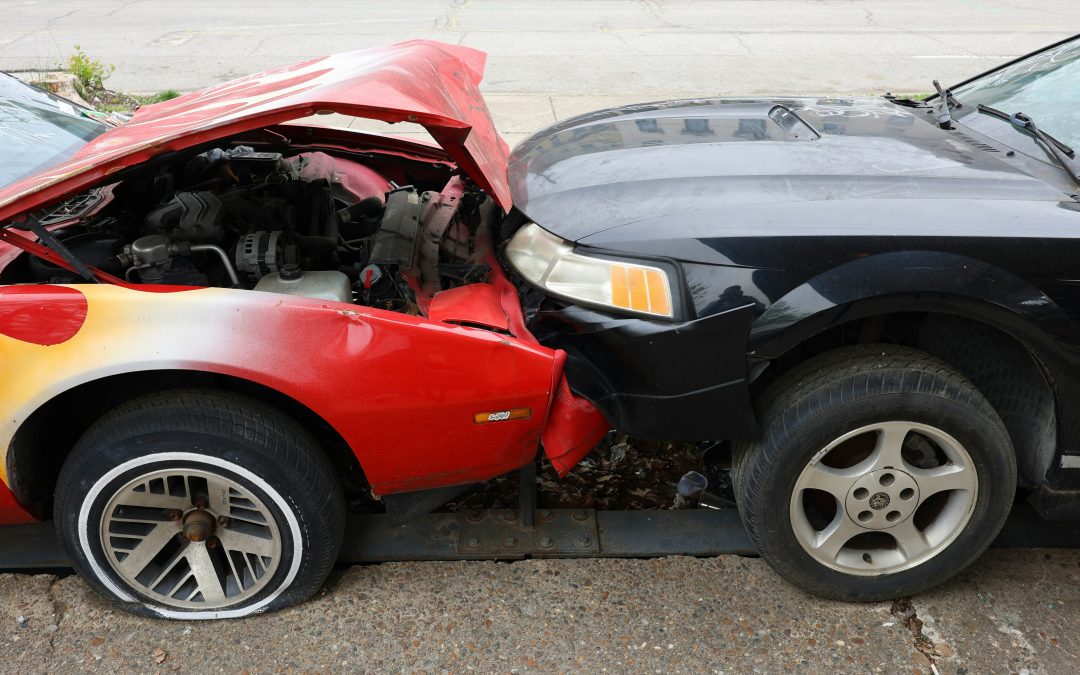
Car accidents are stressful enough without the added worry of how long your vehicle will be in the shop. Whether it is a minor fender-bender or major damage, one of the first questions drivers ask is: how long does it take to repair a car after an accident? Knowing the answer helps you plan for transportation, insurance, and peace of mind.
According to the Insurance Information Institute, the average driver files a collision claim about once every 18 years. Each repair situation is unique, but understanding common timelines can make the process less overwhelming.
Minor vs. Major Damage
The type of damage largely determines how long repairs will take. Not all accidents are the same, and neither are the fixes.
- Minor damage: Small dents, scratches, or broken headlights often take a few days to repair. Many of these jobs can be completed within 3–5 business days.
- Moderate damage: Repairs involving panels, bumpers, or paint matching typically range from one to two weeks.
- Major damage: Accidents that affect the frame, engine, or multiple systems may take a month or longer. In some cases, the car might even be declared a total loss if repairs cost more than the vehicle’s value.
Understanding which category your accident falls into gives you a clearer idea of what to expect.
Factors That Affect Repair Time
When asking how long does it take to repair a car after an accident, remember that several factors influence the timeline.
1. Extent of Damage
More severe damage means more parts, labor, and inspections. Structural repairs or airbag replacements often take longer than cosmetic fixes.
2. Parts Availability
If parts are in stock, repairs move quickly. However, if the shop needs to order special components or wait for shipping, delays are common. Imported cars or older models may require extra time.
3. Insurance Approval
Insurance companies usually need to inspect the car and approve the repair estimate before work begins. The back-and-forth can add days or even weeks, depending on how quickly claims are processed.
4. Shop Workload
Busy repair shops may have multiple vehicles ahead of yours. High demand, especially after severe weather or holiday accidents, can extend wait times.
5. Specialized Repairs
Some repairs require specific technicians or equipment, such as frame straightening or advanced paint matching. These specialized steps add to the overall timeline.
Typical Repair Timeline
While every situation is different, here is a general breakdown to help you estimate:
- Day 1–2: Insurance inspection, damage assessment, and estimate approval.
- Day 3–7: Ordering and receiving parts if not in stock.
- Day 5–15: Repair work begins, including dent removal, panel replacement, and painting.
- Day 10–20: More complex repairs like frame straightening, suspension fixes, or mechanical work.
- Final stage: Quality check, detailing, and pickup scheduling.
This means that for many drivers, minor repairs take less than a week, while serious repairs can stretch to three or four weeks.
What You Can Do to Speed Things Up
Waiting for car repairs can be frustrating, but there are steps you can take to avoid unnecessary delays.
- Choose a trusted repair shop: Look for one with a good reputation and clear communication.
- Stay in touch with your insurer: Follow up regularly to make sure claims are processed quickly.
- Approve estimates promptly: The sooner you confirm, the sooner work can begin.
- Ask about parts: If parts are likely to cause delays, discuss alternatives with your mechanic.
- Plan for transportation: Arrange a rental car or ridesharing to reduce stress while you wait.
By being proactive, you can often shave days off the repair process.
When Repairs May Not Be Worth It
In some cases, the repair timeline is not the only concern. If your car is older or the repair costs approach its market value, insurance may label it a total loss. This means replacing the vehicle might be faster and more practical than waiting weeks for repairs.
Discussing options with your insurer ensures you make the most cost-effective choice. Sometimes moving on to a new car is better than sinking time and money into major repairs.
Conclusion: Patience and Planning Pay Off
So, how long does it take to repair a car after an accident? The answer depends on the severity of the damage, parts availability, insurance processes, and shop workload. Minor fixes might take a few days, while major structural work can stretch into weeks.
The key is to stay informed, ask questions, and plan ahead. With clear communication between you, the repair shop, and your insurer, you can make the process smoother and less stressful. While waiting is never fun, knowing what to expect makes it easier to navigate the road back to normal.