
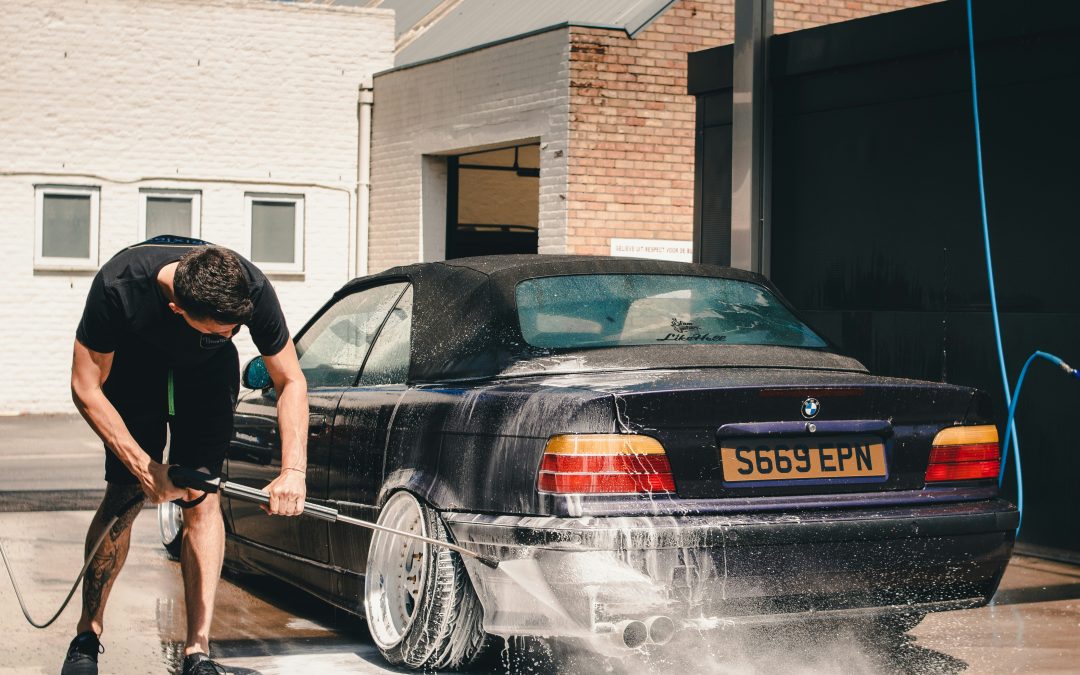
Keeping your car clean isn’t just about looks—it’s about protecting your investment. Dirt, grime, and environmental contaminants can slowly damage your car’s paint, reduce visibility, and even affect performance over time. But one common question drivers ask is, how often should a car be washed? The answer depends on several factors, including where you live, how often you drive, and the conditions your vehicle faces.
Here’s a complete guide on when, why, and how often to wash your car to keep it looking great and lasting longer.
Why Regular Car Washing Matters
Washing your car is more than just a vanity habit—it’s an essential part of vehicle maintenance. Every day, your car is exposed to contaminants that can harm its finish and components. Common culprits include:
- Dust, mud, and dirt buildup
- Bird droppings and insect residue
- Tree sap and pollen
- Road salt and de-icing chemicals in winter
- Airborne pollutants and acid rain
If left untreated, these materials can corrode paint, dull the clear coat, and even lead to rust. Regular washing helps remove these contaminants and preserves both the appearance and resale value of your vehicle.
General Rule: Wash Every Two Weeks
As a general guideline, most cars benefit from a wash every two weeks. This frequency keeps dirt from accumulating and prevents long-term damage. However, this is only a baseline—some cars need more frequent washing depending on conditions.
For example:
- Daily drivers in cities with pollution or dust may need weekly washes.
- Vehicles parked outdoors are more exposed to contaminants than garage-kept ones.
- Highway commuters may need extra washes to remove bugs and grime.
- Luxury or show cars often get cleaned weekly to maintain shine and protect paint.
The best schedule balances appearance, protection, and practicality.
Seasonal Car Washing Guide
Different seasons bring unique challenges for your vehicle. Adjusting your washing routine accordingly helps protect your car year-round.
Spring
Spring means pollen, tree sap, and mud. Wash your car weekly during this season to prevent buildup and potential paint stains. Also, clean the undercarriage to remove leftover salt from winter roads.
Summer
Heat, UV rays, and bug splatter can dull paint quickly. Wash every 1–2 weeks, and apply wax or sealant for added UV protection. If you park under trees, clean sap or bird droppings immediately—they can etch into paint in hours.
Fall
Leaves, dust, and early rain can create a sticky mess. Wash every two weeks and focus on keeping drain channels and crevices clean. Consider adding a coat of wax to prepare for winter weather.
Winter
Cold weather and road salt can be especially harsh. Wash your car once a week if possible, focusing on the undercarriage to remove salt and prevent rust. Avoid washing during freezing temperatures; use touchless or heated car washes instead.
Factors That Affect How Often You Should Wash
Several lifestyle and environmental factors determine the ideal washing frequency for your car.
1. Climate
If you live near the coast, salt air accelerates corrosion, requiring more frequent washes. In dusty or desert regions, fine particles can scratch paint, so weekly washing is recommended.
2. Parking Habits
Cars parked outdoors collect dust, bird droppings, and pollutants faster than garage-kept vehicles. If your car sits outside most of the time, increase your wash frequency.
3. Driving Frequency and Conditions
Frequent driving on highways or unpaved roads exposes your vehicle to more grime and debris. On the other hand, if your car mostly stays parked, you can stretch out the interval between washes.
4. Vehicle Color
Darker colors show dirt, dust, and water spots more easily, meaning they might need washing more often. Light-colored cars tend to hide dirt but still accumulate contaminants that require cleaning.
5. Type of Wash Protection
If your car has a wax coating or ceramic sealant, it stays cleaner longer. These protective layers repel dirt and water, allowing you to extend washes to every 3–4 weeks. Without protection, the paint will accumulate grime faster.
Signs It’s Time to Wash Your Car
Even with a set schedule, visual and tactile cues can tell you when your car needs attention.
- The surface feels rough or sticky to the touch.
- You see visible dust, mud, or streaks.
- Bird droppings or sap are stuck to the paint.
- Water no longer beads on the surface, meaning your wax is wearing off.
- Headlights or mirrors appear dull or smudged.
If any of these signs appear, it’s time to give your car a thorough cleaning.
Don’t Forget the Interior
While exterior washes are important, interior cleaning also affects comfort and hygiene. Aim to clean your car’s interior at least once a month by:
- Vacuuming floors and seats.
- Wiping down dashboards and touchscreens.
- Cleaning windows inside and out.
- Removing trash and odor sources.
A clean interior complements your car’s exterior care and keeps your driving environment fresh.
Best Practices for Washing Your Car
To make each wash count, follow a few best practices that preserve paint and enhance results.
- Use the two-bucket method: One bucket for soapy water and one for rinsing.
- Choose pH-balanced car shampoo: Avoid dish soap—it strips wax and damages finishes.
- Wash from top to bottom: Start with the roof and work your way down to prevent re-contamination.
- Use microfiber cloths or mitts: They’re gentle and reduce the risk of scratching.
- Dry properly: Use a clean microfiber towel or a blower to prevent water spots.
- Apply wax or sealant every 2–3 months: This adds a protective barrier that makes future washes easier.
Quick Wash vs. Full Detail
- Quick Wash: Ideal for weekly or bi-weekly upkeep; removes dust, bird droppings, and light dirt.
- Full Detail: Recommended every 3–4 months; includes waxing, polishing, tire cleaning, and interior detailing for long-term protection.
Both play a role in keeping your car looking and performing its best.
Final Thoughts
There’s no one-size-fits-all answer to how often a car should be washed, but consistency is key. Most drivers benefit from washing every two weeks, adjusting for seasonal changes, driving habits, and local conditions.
Regular cleaning not only enhances your car’s appearance but also preserves its paint, prevents corrosion, and boosts resale value. Treat car washing as part of your maintenance routine, and your vehicle will reward you with years of shine and performance.