
Most drivers have been there. A strange noise appears, a warning light turns on, and suddenly you are facing a repair bill you did not plan for. The frustrating part is that many major car problems do not come out of nowhere. They build slowly over time. That is why understanding how routine auto maintenance prevents costly car repairs can save you money, stress, and unexpected downtime.
Why small car problems turn into big expenses
Cars are complex machines with many parts working together. When one component starts to fail, it often affects others. Ignoring minor issues can cause a chain reaction that leads to expensive repairs.
According to AAA, the average car repair bill for major mechanical issues can range from $500 to over $2,000 depending on the problem. Many of these repairs could have been avoided with basic routine maintenance. This fact alone highlights how routine auto maintenance prevents costly car repairs before they spiral out of control.
What routine auto maintenance really includes
Routine maintenance is not just oil changes. It is a series of regular checks and services designed to keep your car running smoothly and safely. These tasks are usually outlined in your vehicle manufacturer’s maintenance schedule.
Common routine maintenance services include:
- Oil and filter changes
- Tire rotations and pressure checks
- Brake inspections
- Fluid checks and replacements
- Battery testing
- Air filter replacement
Each of these services plays a role in protecting your vehicle’s long term health.
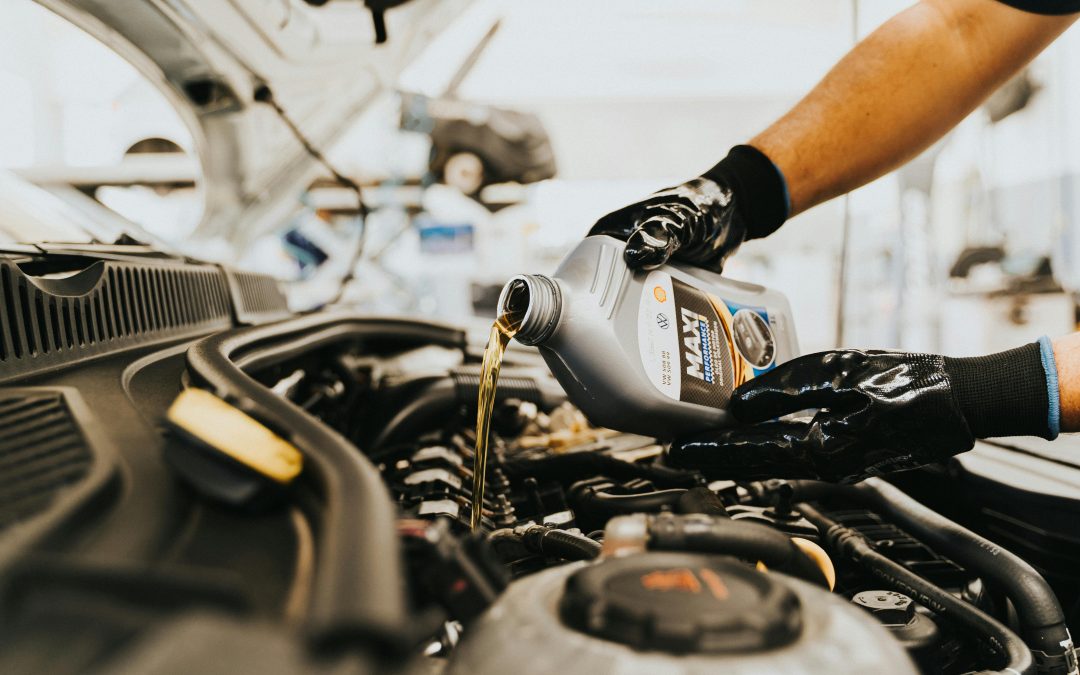
Oil changes protect your engine from damage
Engine oil lubricates moving parts, reduces friction, and helps control temperature. Over time, oil breaks down and becomes less effective. Skipping oil changes can cause increased wear and even engine failure.
The Car Care Council reports that regular oil changes can extend engine life and improve fuel efficiency. Replacing an engine can cost thousands of dollars, while an oil change is relatively inexpensive. This is one of the clearest examples of how routine auto maintenance prevents costly car repairs.
Tire care prevents uneven wear and suspension issues
Tires affect more than just traction. Uneven or worn tires can strain suspension components and reduce fuel efficiency. Regular tire rotations and pressure checks help tires wear evenly and last longer.
Maintained tires also improve safety by providing better handling and braking. Replacing suspension parts or dealing with alignment problems is far more expensive than routine tire service.
Brake inspections save money and improve safety
Brakes naturally wear down over time. Catching brake wear early can save you from replacing rotors and calipers, which are far more expensive than brake pads.
Routine brake inspections allow technicians to spot issues before they become serious. According to the National Highway Traffic Safety Administration, brake related issues are a contributing factor in many vehicle accidents. Regular maintenance protects both your wallet and your safety.
Fluid checks keep systems running smoothly
Modern vehicles rely on several fluids to operate correctly. These include transmission fluid, coolant, brake fluid, and power steering fluid. Low or contaminated fluids can cause overheating, poor performance, and component failure.
Routine fluid checks help prevent:
- Transmission damage
- Engine overheating
- Brake system failure
- Power steering issues
Replacing fluids on schedule is far cheaper than repairing the systems they protect.
Battery maintenance avoids unexpected breakdowns
Car batteries often fail without much warning. Routine battery testing during maintenance visits can reveal weak batteries before they leave you stranded.
AAA reports that battery related issues are one of the top causes of roadside assistance calls. A simple test and timely replacement can prevent an inconvenient breakdown and additional towing costs.
Early detection catches problems before they grow
One of the biggest benefits of routine maintenance is early detection. Trained technicians can spot leaks, worn belts, cracked hoses, or loose components before they cause major damage.
These early fixes often cost very little compared to major repairs. This proactive approach is exactly how routine auto maintenance prevents costly car repairs that could otherwise drain your savings.
Better fuel efficiency saves money over time
A well maintained vehicle runs more efficiently. Clean filters, properly inflated tires, and fresh fluids help your car use less fuel. Over time, improved fuel efficiency can lead to noticeable savings.
The U.S. Department of Energy notes that proper maintenance can improve gas mileage by up to 10 percent. That adds up quickly, especially with rising fuel costs.
Maintenance protects resale value
Cars with documented maintenance histories are more attractive to buyers. Routine service records show that a vehicle has been cared for and is less likely to have hidden problems.
Higher resale value is another long term financial benefit and a smart reason to stay consistent with maintenance.
Saving time and stress along with money
Unexpected breakdowns do not just cost money. They also cost time and create stress. Missed work, delayed trips, and emergency repairs can disrupt your life.
Routine maintenance allows you to plan ahead and avoid surprises. This peace of mind is often overlooked but is a major advantage of staying on schedule.
A practical takeaway for every driver
Cars are one of the biggest investments many people make. Protecting that investment does not require advanced mechanical knowledge, just consistency. From oil changes and brake checks to tire care and fluid maintenance, every small service plays a role.
When you understand how routine auto maintenance prevents costly car repairs, it becomes clear that prevention is always cheaper than repair. A little attention today can save you thousands tomorrow and keep your car running reliably for years to come.