
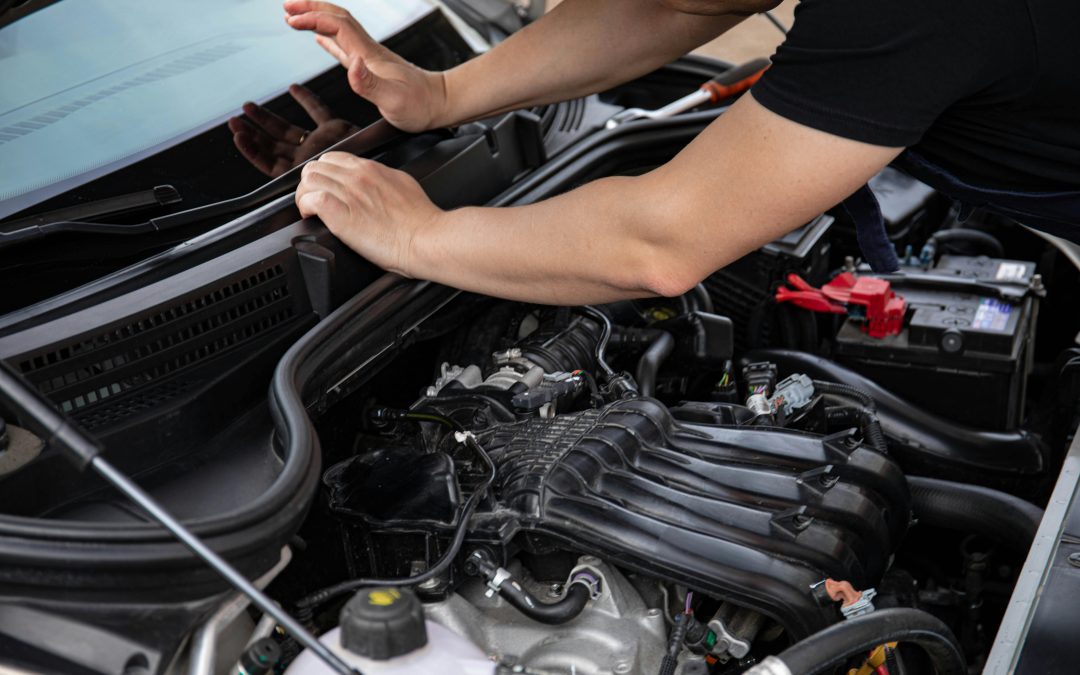
Few things raise stress faster than a strange noise under the hood or a warning light that suddenly appears on your dashboard. Car engine issues can feel intimidating, especially if you are not a mechanic. The good news is that many engine problems are more common and more manageable than they seem. Understanding how to fix common car engine problems starts with knowing what to look for and when simple action can prevent expensive repairs.
Why Engine Problems Should Never Be Ignored
Your engine is the heart of your vehicle. When something goes wrong, it usually sends warning signs before a total breakdown happens. According to AAA, more than 38 million drivers experienced vehicle breakdowns in a single recent year, and engine related issues were among the leading causes.
Ignoring early symptoms often turns a small fix into a major repair. Paying attention early can save both money and frustration.
Check Engine Light Comes On
The check engine light is one of the most misunderstood warnings in a car. It does not always mean something serious, but it should never be ignored.
Common reasons the light turns on include:
- Loose or damaged gas cap
- Faulty oxygen sensor
- Worn spark plugs or ignition coils
- Issues with emissions components
A study by the Car Care Council found that nearly half of vehicles on the road need maintenance or repairs, often signaled first by dashboard warning lights. Using an affordable diagnostic scanner or visiting an auto parts store for a free scan can help identify the issue quickly.
Engine Is Overheating
Overheating is a clear sign that something is wrong and should be addressed immediately. Continuing to drive an overheating car can cause severe engine damage.
Common causes of overheating include:
- Low coolant levels
- Leaking radiator or hoses
- Faulty thermostat
- Broken cooling fan
If you notice the temperature gauge rising, pull over safely and turn off the engine. Once the engine cools, check coolant levels. Never open a hot radiator cap, as it can cause serious burns.
Rough Idling or Engine Stalling
An engine that shakes, stalls, or idles roughly is often trying to tell you it is not getting the right balance of air, fuel, or spark.
Possible causes include:
- Dirty fuel injectors
- Vacuum leaks
- Worn spark plugs
- Clogged air filter
According to Consumer Reports, replacing spark plugs and air filters on schedule improves fuel efficiency and engine performance. These are often affordable fixes that make a noticeable difference.
Strange Noises From the Engine
Engines are not silent, but new or unusual sounds should raise concern. Knocking, ticking, or squealing noises usually point to specific issues.
Common engine noises and causes:
- Knocking sounds may indicate low oil or poor fuel quality
- Squealing often comes from worn belts
- Ticking noises can signal valve or lifter issues
Addressing noises early is a key step in learning how to fix common car engine problems before they escalate into costly damage.
Poor Fuel Efficiency
If you find yourself filling up more often without driving more miles, your engine may not be running efficiently.
Common reasons for reduced fuel efficiency include:
- Dirty air filters
- Failing oxygen sensors
- Underinflated tires
- Engine misfires
The US Department of Energy notes that replacing a clogged air filter can improve fuel economy by up to 10 percent in some vehicles. Small maintenance tasks often deliver noticeable savings at the pump.
Engine Won’t Start
A car that refuses to start can be frustrating, especially when you are in a hurry. While batteries are often blamed, the engine itself may be part of the issue.
Possible engine related causes include:
- Faulty starter motor
- Fuel system problems
- Ignition system failure
If the engine cranks but does not start, fuel or spark issues are likely. If nothing happens at all, electrical or starter problems may be to blame.
Simple Maintenance Prevents Most Engine Problems
Many engine issues can be avoided with regular maintenance. Staying consistent reduces the chance of sudden breakdowns.
Key maintenance habits include:
- Regular oil changes
- Checking coolant and fluid levels
- Replacing filters on schedule
- Addressing warning lights promptly
According to the Car Care Council, proper vehicle maintenance can extend engine life by years and significantly reduce repair costs.
When to Fix It Yourself and When to Get Help
Not every engine problem should be handled at home. While some fixes are simple, others require professional tools and expertise.
Good DIY tasks include:
- Replacing air filters
- Checking and topping off fluids
- Changing spark plugs on accessible engines
Professional help is best for:
- Internal engine noises
- Persistent warning lights
- Overheating with no obvious cause
Knowing your limits is part of understanding how to fix common car engine problems safely and responsibly.
Modern Engines and Technology
Modern engines rely heavily on sensors and computer systems. While this improves performance and efficiency, it also means problems may not be obvious without diagnostics.
Onboard diagnostics systems are designed to detect issues early. Taking advantage of these tools helps prevent small problems from becoming major failures.
The Big Picture Takeaway
Car engine problems can feel overwhelming, but most start with small warning signs. Learning how to fix common car engine problems is about awareness, routine maintenance, and timely action. Paying attention to lights, sounds, and performance changes gives you control and confidence as a car owner.
You do not need to be an expert mechanic to protect your engine. With basic knowledge and smart decisions, you can keep your vehicle running smoothly and avoid unnecessary stress on the road.