
Keeping your car running smoothly does not have to feel complicated. In fact, most of the long-term health of your vehicle comes down to simple, consistent maintenance. That is why an Oil change and tune-up is one of the smartest habits any car owner can adopt. It keeps your engine healthy, improves performance, and prevents costly repairs down the road. If you have ever wondered how often you should service your car or why these tasks matter so much, this guide breaks it all down in a friendly and easy way.
Why Oil Change and Tune-Up Services Matter
An Oil change and tune-up might sound like basic maintenance, but together they play a huge role in how well your vehicle performs. Oil changes keep your engine lubricated and prevent overheating, while tune-ups check the essential systems that keep your car running safely.
To put the importance into perspective, the Car Care Council reports that one in four cars on the road has low or dirty engine oil. This can lead to reduced engine life and expensive repairs. Regular maintenance helps avoid these issues and keeps your vehicle at its best.
What Happens During an Oil Change
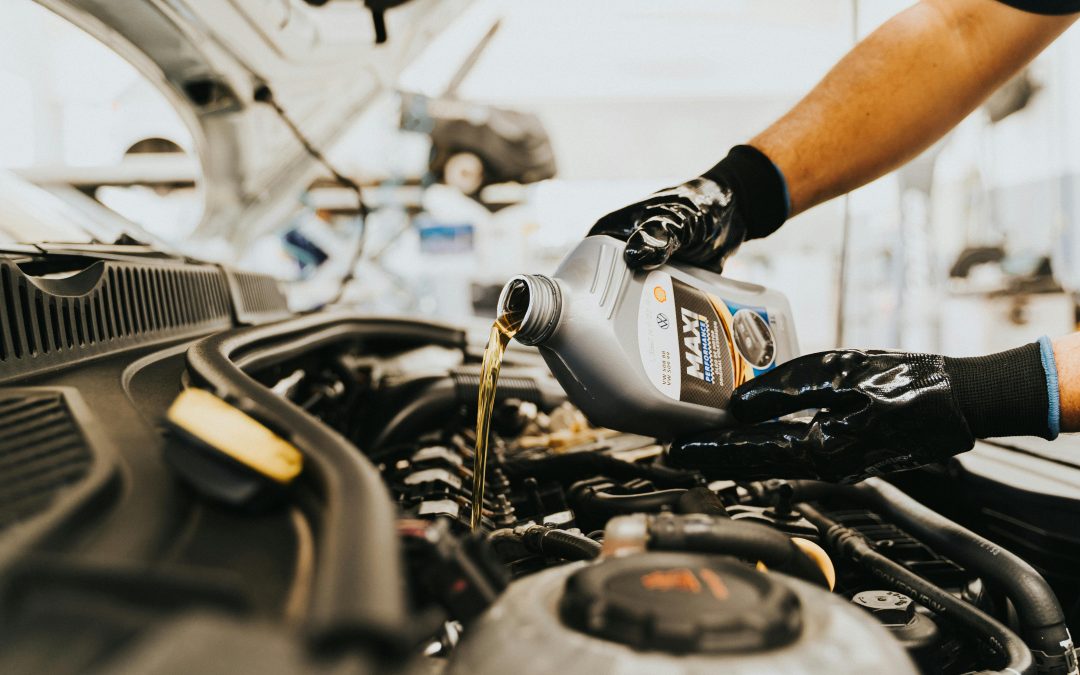
Most people know they need oil changes, but fewer understand what actually happens during one. When you get an Oil change and tune-up service, the technician removes old, dirty oil and replaces it with clean oil that protects your engine.
An oil change usually includes:
- Installing a new oil filter
- Filling the engine with fresh oil
- Checking fluid levels
- Inspecting belts and hoses
- A quick visual inspection of major components
Clean oil reduces friction inside your engine. This means smoother driving, better fuel efficiency, and fewer breakdowns caused by worn-out engine parts.
What a Tune-Up Includes
A tune-up goes beyond the oil and focuses on the overall health of your vehicle. It ensures that every part of the engine is working as it should. When you schedule an Oil change and tune-up together, you get complete peace of mind.
Typical tune-up tasks include:
- Replacing spark plugs
- Checking ignition timing
- Inspecting the air filter
- Testing the battery
- Examining the fuel system
- Checking engine sensors
Even small parts like spark plugs can make a big difference. Faulty spark plugs can reduce fuel economy by as much as 30 percent, according to the U.S. Department of Energy.
How Often You Should Get These Services
Many drivers wonder how often they should get an Oil change and tune-up. The answer depends on your car model, your driving habits, and the type of oil you use. A general guideline is to get an oil change every 3,000 to 5,000 miles for conventional oil and every 7,500 to 10,000 miles for synthetic oil.
Tune-ups are usually needed less frequently. Most vehicles benefit from a full tune-up every 20,000 to 30,000 miles. Checking your owner’s manual is the easiest way to know what your car needs and when to schedule maintenance.
The Benefits You Will Notice Right Away
When you commit to regular Oil change and tune-up services, the improvements are easy to spot. Your engine sounds better, your car accelerates more smoothly, and your fuel efficiency improves. You also avoid the stress of unexpected breakdowns that can interrupt your day and cost far more than simple maintenance.
A few benefits include:
- Better performance and smoother driving
- Longer engine life
- Improved gas mileage
- Lower risk of overheating
- Fewer expensive repairs later
These small steps add up to a car that feels more reliable every time you get behind the wheel.
Tips to Make Car Maintenance Easier
If keeping track of maintenance feels overwhelming, a few simple habits can help you stay organized.
Try these shortcuts:
- Set reminders based on mileage
- Pair maintenance with another routine, like payday or monthly errands
- Keep all service receipts in one folder
- Ask your mechanic for a personalized maintenance schedule
Car care becomes much easier when you treat it as a routine rather than an emergency task.
Why Preventative Care Always Pays Off
When you skip an Oil change and tune-up, problems may not show up right away, but they will eventually. Sludge builds up, engine parts wear out faster, and your car has to work harder just to operate normally. Preventative care is almost always cheaper than fixing the damage caused by neglect.
Think of it the same way you think about taking care of your health. Small, consistent habits keep bigger issues from forming. Your car deserves that same level of care so it can stay reliable for years.
Conclusion
Taking your car in for a regular Oil change and tune-up is one of the easiest ways to protect your investment and enjoy a smoother, safer ride. These simple services keep your engine healthy, improve performance, and save you money in the long run. Whether you drive every day or only a few times a week, your vehicle benefits from the attention. With just a little routine care, your car will stay dependable, efficient, and ready for the road ahead.