
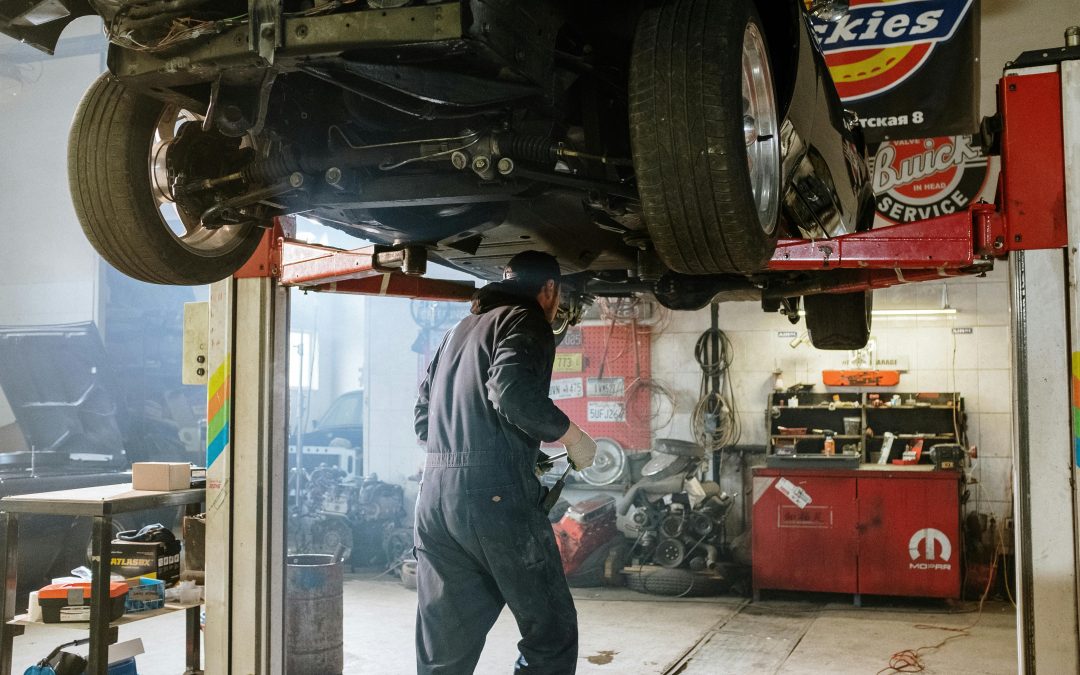
When it comes to car maintenance, most people think about oil changes, tires, or maybe the brakes. But one area that often gets overlooked is the suspension and steering system. And here’s the truth—these two systems work together to keep your ride smooth, stable, and safe.
If you’ve ever felt your car pulling to one side, bouncing too much, or just feeling “off,” it might be time to ask: Do I need suspension and steering repair?
Let’s break it down in a simple, no-nonsense way so you know what to look for and how to keep your vehicle running right.
What Do the Suspension and Steering Systems Do?
Your suspension system includes parts like shocks, struts, and springs. It’s responsible for absorbing bumps in the road and keeping your tires in contact with the surface. Without it, every pothole would feel like a punch to the spine.
The steering system—including the steering wheel, column, and linkages—controls the direction of the car. It lets you turn safely and precisely.
Together, these systems:
- Improve ride comfort
- Ensure better handling and control
- Keep all four tires planted on the road
- Reduce wear on other car parts
In short, they’re essential to your driving experience—and your safety.
Signs You Might Need Suspension and Steering Repair
How do you know something’s wrong? Here are common signs that your suspension or steering system might need some attention:
- Your car pulls to one side
- The steering wheel feels loose or hard to turn
- You feel every bump on the road
- One corner of your car sits lower than the rest
- You hear clunking or squeaking when turning or going over bumps
- Uneven or rapid tire wear
If you notice any of these issues, don’t wait. Small problems can become big (and expensive) ones if left unchecked.
Why Suspension and Steering Problems Are Dangerous
A bad suspension or faulty steering system isn’t just annoying—it’s dangerous. If your car doesn’t respond properly when you turn or stop, your risk of an accident increases.
According to the National Highway Traffic Safety Administration (NHTSA), steering and suspension-related defects contribute to thousands of crashes every year. That’s a serious reminder that regular checks and timely suspension and steering repair can literally save lives.
What’s Involved in Suspension and Steering Repair?
Depending on the issue, repair might involve:
- Replacing worn shocks or struts
- Fixing or aligning steering components
- Replacing tie rods, ball joints, or bushings
- Performing a wheel alignment
- Refilling or replacing power steering fluid
A professional mechanic will inspect both systems, check for damage or wear, and run tests to make sure everything is functioning properly.
How Often Should You Check Your Suspension and Steering?
There’s no one-size-fits-all answer, but most experts recommend a full suspension and steering inspection once a year or every 12,000 to 15,000 miles. You should also have it checked:
- After hitting a big pothole or curb
- If you notice handling changes
- When replacing tires or doing an alignment
Regular maintenance can help you avoid surprise repairs and extend the life of your vehicle.
Can You Drive with a Bad Suspension or Steering Issue?
Technically, yes—but you definitely shouldn’t. Driving with worn shocks or a failing steering system is risky. Your car could become harder to control, especially in emergency situations or bad weather.
If you’re unsure, play it safe. Get it checked out as soon as possible.
Final Thoughts
Suspension and steering repair might not be the flashiest part of car maintenance, but it’s one of the most important. A healthy system means a smoother ride, better handling, longer-lasting tires, and most importantly—a safer drive.
If your car is feeling off or showing any warning signs, don’t ignore them. Getting your suspension and steering checked by a trusted mechanic could save you a lot of hassle—and possibly prevent a breakdown or accident.