
Ever wondered why some cars hold their value better than others? Whether you’re planning to sell your ride soon or just curious, knowing what affects car value can save you a lot of money and hassle down the road. Today, we’re diving into the main factors that influence your car’s worth.
The Big Impact of Mileage
One of the most obvious things that affect a car’s value is mileage. The more miles on the odometer, the lower the value tends to be. Why? Because higher mileage usually means more wear and tear.
According to Edmunds, every 12,000 miles driven typically reduces a car’s value by about 20%. So, keeping your driving in check or choosing cars with reasonable mileage can make a big difference when it’s time to sell or trade in.
Condition: It’s More Than Just Looks
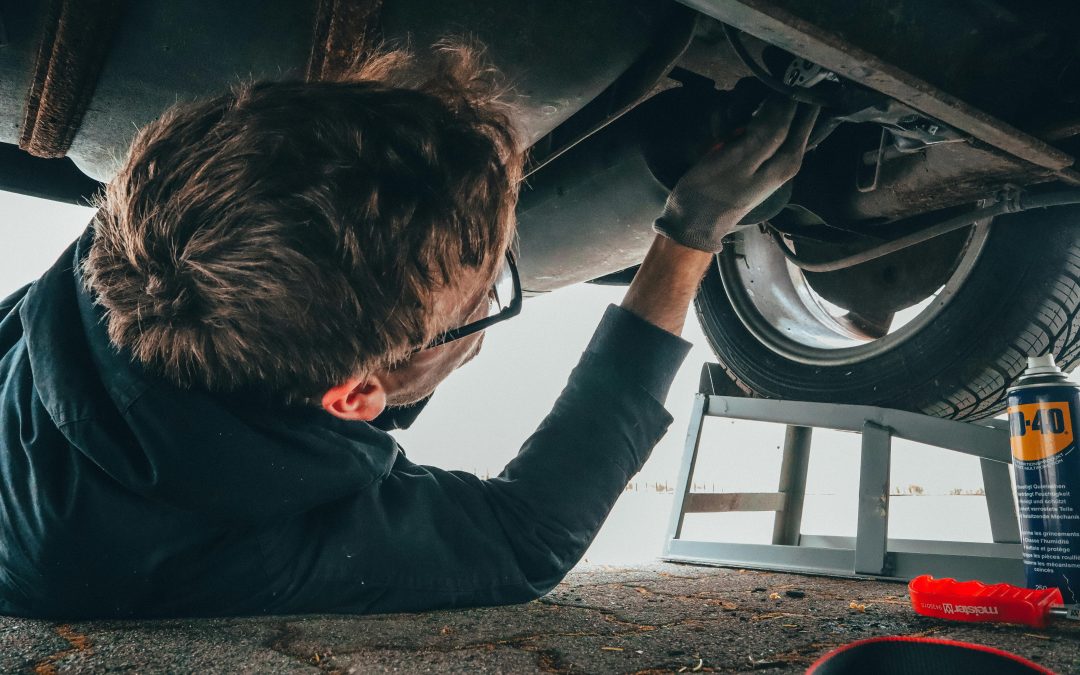
Your car’s condition matters a lot. We’re not just talking about shiny paint or a spotless interior, but also the mechanical health. Regular maintenance like oil changes, brake repairs, and tire rotations keep your car running smoothly and can boost its value.
Even small issues, like dents, scratches, or a cracked windshield, can drag the price down. On the flip side, detailed maintenance records show buyers you’ve cared for your vehicle, which often translates to a higher offer.
Make and Model Matter
Some brands just hold their value better than others. For example, Toyota and Honda consistently rank high for resale value because of their reputation for reliability. On the other hand, luxury brands may depreciate faster due to higher repair costs.
Plus, certain models are more popular in different regions, which can affect demand and value. So, knowing your car’s market appeal can help you set realistic expectations.
Age Isn’t Just a Number
While mileage is important, the actual age of the car also influences value. New cars lose a significant chunk of their value the moment they leave the dealership — often around 20-30% in the first year.
After that, depreciation slows down but continues steadily. A well-maintained 5-year-old car with moderate mileage often sells for more than a neglected 3-year-old with lots of wear.
Vehicle History and Accidents
If your car has been in an accident, expect its value to drop. Buyers and dealers check vehicle history reports through services like Carfax or AutoCheck, which reveal past damages, title issues, or flood damage.
Even if repairs were done well, an accident history often lowers the resale price because it raises concerns about hidden problems down the line.
Optional Features and Upgrades
Extras like a sunroof, premium sound system, or advanced safety features can increase your car’s appeal. In today’s market, features like backup cameras, Bluetooth connectivity, and adaptive cruise control are highly valued.
However, keep in mind that not all upgrades add equal value. Some modifications might actually hurt resale value if they don’t appeal to a wide range of buyers.
Market Demand and Economic Factors
Believe it or not, external factors also affect what affects car value. For instance, rising gas prices can increase demand (and value) for fuel-efficient cars and decrease it for gas guzzlers.
Seasonal trends play a role too. Convertibles may sell for more in summer, while trucks might be more valuable in winter or rural areas.
Plus, the overall economy and supply chain issues, like the recent shortage of new cars, can impact used car values dramatically.
Simple Tips to Protect Your Car’s Value
Want to keep your car’s value as high as possible? Here are a few easy tips:
- Keep up with regular maintenance and keep records
- Avoid accidents and drive safely
- Park in shaded or covered areas to protect paint
- Fix minor cosmetic damage promptly
- Limit unnecessary modifications
- Keep mileage reasonable by combining errands or carpooling
Final Thoughts
So, what affects car value? It’s a mix of mileage, condition, brand, age, history, features, and even the market itself. Being aware of these factors helps you make smarter decisions whether you’re buying, selling, or simply caring for your vehicle.
If you take good care of your car and understand these influences, you’re in a great spot to get the most value out of it when the time comes. Got a story about how you kept your car’s value high? I’d love to hear it!