
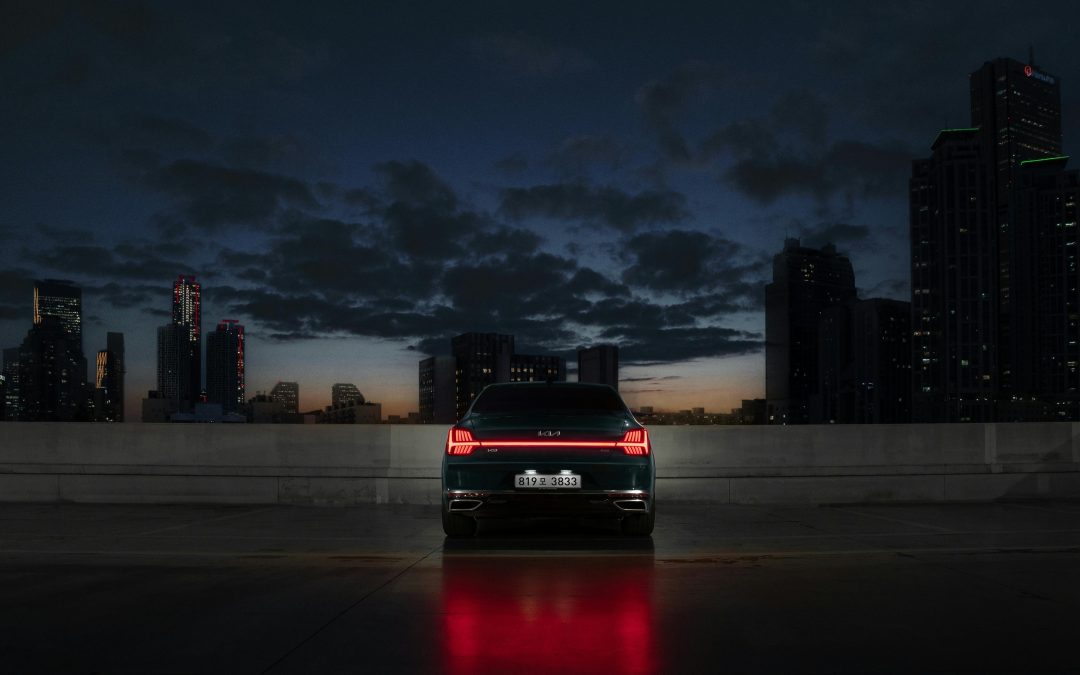
If you’ve ever been driving and noticed your brake lights aren’t lighting up, you know it can be a bit stressful. Brake lights aren’t just a safety feature—they’re a legal requirement that warns drivers behind you when you’re slowing down or stopping. So if you’re thinking, “why my brake lights are not working,” you’re not alone. It’s a common issue that can happen for several reasons, and luckily, many of them are easy to troubleshoot.
Why Brake Lights Matter More Than You Think
Brake lights are essential for safe driving, especially in heavy traffic or at night. According to the National Highway Traffic Safety Administration (NHTSA), brake light failure contributes to thousands of rear-end collisions every year. So, getting your brake lights fixed promptly isn’t just about passing inspections; it’s about preventing accidents.
Common Reasons Why My Brake Lights Are Not Working
Let’s break down the most frequent causes you might be facing:
1. Burnt-Out Brake Light Bulbs
This is the most straightforward and common culprit. Brake light bulbs have a limited lifespan and eventually burn out. If one or both bulbs stop working, your brake lights won’t illuminate.
2. Blown Fuse
Your vehicle’s electrical system has fuses that protect circuits from damage. A blown fuse for the brake light circuit can stop your brake lights from functioning. This is usually a quick fix—just replace the fuse.
3. Faulty Brake Light Switch
The brake light switch is a small component located near the brake pedal. When you press the pedal, it activates the switch, which turns on the brake lights. If this switch fails, your brake lights won’t come on, even if the bulbs are fine.
4. Wiring Problems
Damaged, corroded, or loose wiring can disrupt the connection between your brake light system and the bulbs. Electrical issues like this can be trickier to diagnose but are common in older vehicles or those exposed to harsh weather.
5. Bad Light Socket
Sometimes the socket where the bulb fits can get corroded or damaged. This prevents the bulb from receiving power and lighting up properly.
How Can I Check Why My Brake Lights Are Not Working?
Here’s a simple checklist you can follow before rushing to a mechanic:
- Inspect the brake light bulbs: Have a friend press the brake pedal while you watch the brake lights. If they don’t light up, remove the bulbs and check if the filaments are broken.
- Check the fuse box: Look in your owner’s manual to find the brake light fuse. If the fuse looks burnt or broken, replace it with one of the same rating.
- Test the brake light switch: If you’re comfortable, locate the switch under the dashboard near the brake pedal. You can test it with a multimeter or listen for a click when pressing the brake.
- Look for wiring damage: Inspect wiring harnesses for visible signs of wear, corrosion, or loose connections.
- Clean or replace sockets: Sometimes cleaning the contacts with electrical contact cleaner can restore function.
What Should I Do If My Brake Lights Still Don’t Work?
If you’ve tried the above and your brake lights still aren’t working, it’s a good idea to consult a professional mechanic. Electrical issues can be complex and sometimes require specialized diagnostic tools.
Tips to Avoid Brake Light Problems in the Future
- Regularly check your brake lights, especially before long trips.
- Replace bulbs in pairs to avoid uneven brightness.
- Keep your vehicle’s electrical system well maintained.
- Use high-quality bulbs and parts recommended for your car model.
Final Thoughts
If you’re wondering “why my brake lights are not working,” don’t ignore the problem. Brake lights are critical for your safety and others on the road. Most issues are simple to fix, from burnt-out bulbs to blown fuses or faulty switches. By staying on top of maintenance and checking your lights regularly, you can avoid unexpected problems and keep your driving safe and legal.
Remember, a small fix today can prevent a big accident tomorrow!